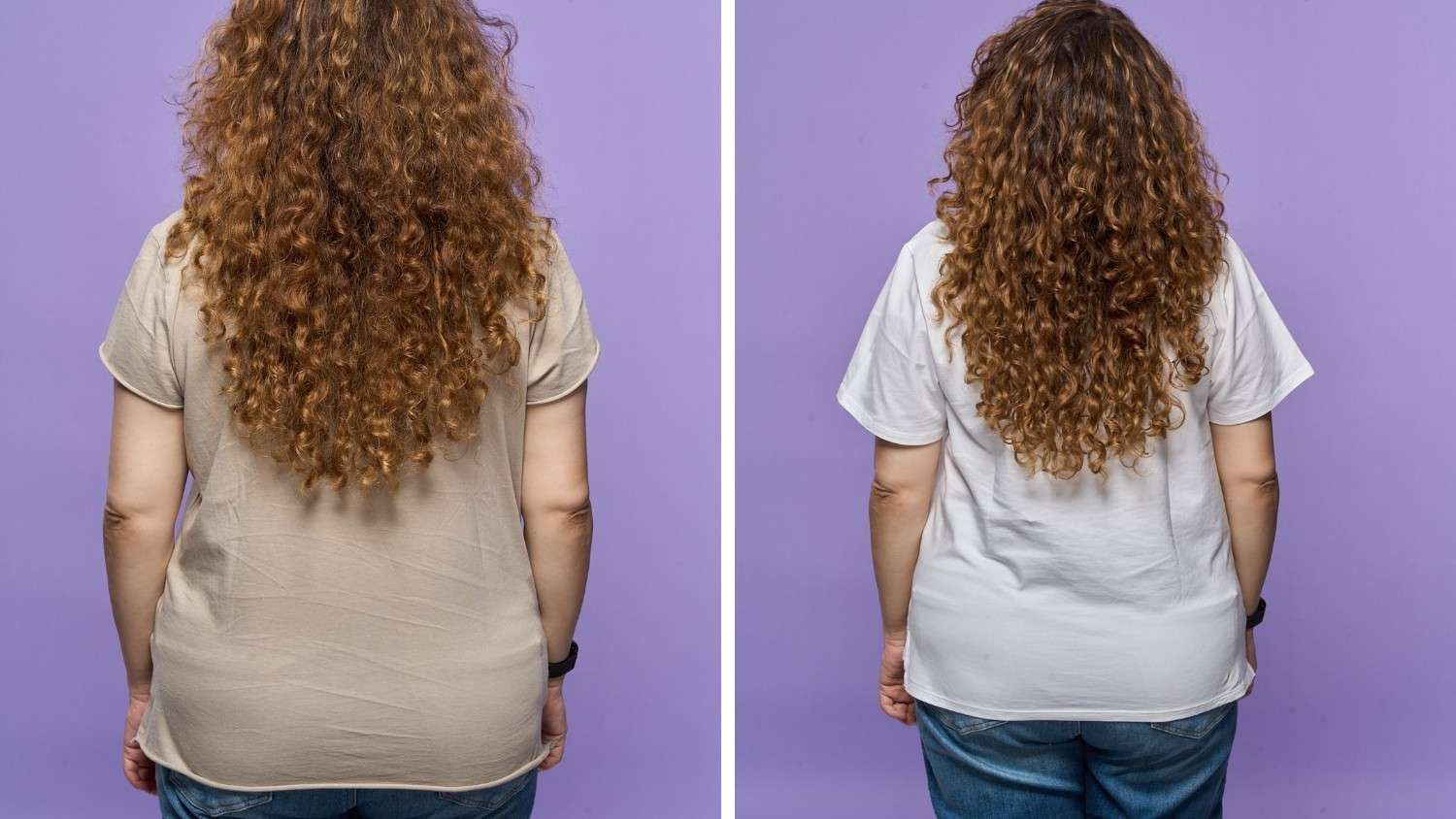



Key Takeaways
- Hair fall in monsoon is usually a mix of natural shedding and breakage.
- Curly hair can hold on to loose strands between washes, and that is why washed hair shedding looks worse than it really is.
- Humidity, hard water, buildup, and rough detangling can increase the chances of breakage.
- A clean scalp and gentle detangling can go a long way in protecting your curls this monsoon season. You can learn about how to exfoliate your scalp to give proper TLC to your tresses.
In This Article
Is Monsoon Hair Fall Real? What Is Actually Happening
Why Curly Hair Loses More Hair in Monsoon
Monsoon Hair Fall Myths: Busted
How to Reduce Hair Fall in Monsoon for Curly Hair
How Much Hair Fall Is Normal in Monsoon?
Introduction
It can be quite unsettling to see a big clump of hair in the drain on wash day. Most of what gets labeled as hair fall in the rainy season is a combination of shed strands, breakage, and loose hair that have gotten in your curls since your last wash. Monsoon l does not help matters, but it is never always the direct cause.
When you know about how to manage curly hair during monsoon, you can respond to your hair needs in a better way.
Is Monsoon Hair Fall Real? What Is Actually Happening
Monsoon hair fall is real, just not for the reasons that most people assume. Every strand of hair goes through a cycle of growth, rest, and shedding.
Once a strand completes that cycle, it falls out at the root. What falls out on wash day is a mix of shed strands and broken ones. Curly hair tends to hold on to both more than straight hair due to the coil pattern.
Also, humidity can make curly strands swell, frizz, and tangle. This makes your hair more prone to snapping during washing or styling. That is breakage and not hair loss. Therefore, both these things need two very different fixes.
Why Curly Hair Loses More Hair in Monsoon
Here are a few reasons why you face hair fall in rainy season :
Seasonal Shedding
Hair goes through a growth cycle, and when a strand reaches the end of it, it sheds from the root. This happens year-round, but some people notice a temporary increase during certain seasons. Seasonal hair shedding is a normal biological process, not a sign that the monsoon has damaged your roots.
Scalp Buildup from Sweat and Humidity
In monsoon, your scalp produces more sweat and sebum. On top of that, styling products sit heavier in humid air. If you are stretching your wash days because you are worried about hair fall increase in monsoon, that residue builds up on the scalp and around the follicles.
Hard Water
Hard water and hair fall in India are closely linked. The minerals in hard water deposit on both the scalp and the hair shaft over time. The minerals roughen the cuticle and make detangling harder, increasing breakage.
Frizz and Rough Handling
This is where most of the damage actually happens. Humidity makes curly strands swell and tangle faster. When you force a comb through dry or damp knots, the hair snaps rather than releasing. The difference between hair fall and hair breakage in monsoon matters because the fix is different
Monsoon Hair Fall Myths: Busted
Let us clear up a few things before you overhaul your entire routine.
Myth 1: Rain water directly causes hair fall
No. Rainwater does not loosen hair from the follicle. Rinsing your scalp after getting caught in the rain is a good habit, as it can help clear out pollutants.
Myth 2: Heavy oiling prevents monsoon hair fall
It does not. A thick layer of oil in humid conditions mixes with sweat and product residue and adds to scalp buildup, which can actually make shedding worse.
Myth 3: Cutting your hair stops shedding
A trim removes split ends and reduces breakage at the tips. It has no effect on the hair growth cycle..
Myth 4: Monsoon hair fall means you are going bald
Is monsoon hair fall temporary? In most cases, yes. A different situation is a, bald patch or visible thinning that persists beyond the season and is worth a dermatologist’s visit.
Myth 5: Washing less will stop hair fall
Washing does not trigger the shedding phase of the hair cycle. Waiting longer between washes in monsoon actually makes things worse because sweat, sebum, and residue collect on the scalp and block follicles.
How to Reduce Hair Fall in Monsoon for Curly Hair
Before changing your routine, figure out whether what you are seeing is shedding, breakage, or buildup. Your routine addresses all three. If the cause is medical, it will not.
Clarify Once a Month
Hard-water minerals, sweat, and styling residue build up faster in monsoon and sit around the follicle, pushing hair into the shedding phase earlier. Using a clarifying shampoo for scalp buildup once a month can clear dead skin cells, product residue, and mineral deposits. This is one of the best ways to stop hair fall in the rainy season caused by scalp congestion. Rinse thoroughly and follow with conditioner.
Use an ACV Rinse to Rebalance Scalp pH
An apple cider vinegar rinse for scalp rebalances pH after washing, smooths the cuticle, and removes residue the shampoo missed. Apply after shampooing, leave for two to three minutes, rinse, then condition. Do not combine it with the scalp scrub in the same wash.
Exfoliate Before Wash Day if Your Scalp Feels Congested
A scalp scrub for curly hair lifts buildup sitting at the follicle before shampooing. Apply to the scalp, massage with your fingertips, and then follow with the gentle detoxifying shampoo.
Detangle Gently on Fully Wet Hair
Most monsoon hair fall for curly hair is breakage from detangling on dry or damp hair. How to control hair fall in the monsoon for curly hair starts here. After rinsing your conditioner, apply Leave In Conditioner to dripping-wet lengths for slip, then follow with a wide-tooth comb. Never force a comb through a dry tangle.

How Much Hair Fall Is Normal in Monsoon?
Losing around 50 to 100 strands a day is generally considered normal. You may not see them every day because loose hair can remain caught within your curls.
There is no separate accepted number for how much hair fall is normal in monsoon. Look for a clear change from your usual pattern instead of counting each strand. Seasonal hair fall in monsoon is usually temporary and most people see it settle once the season changes. Sudden hair fall in the monsoon that continues for several weeks, visible thinning, or bald patches should be checked by a dermatologist.
Frequently Asked Questions
Is hair fall normal in monsoon?
A small, temporary change may occur. Heavy or persistent shedding should not be dismissed as seasonal.
Does monsoon hair fall grow back?
Hair lost through temporary shedding generally grows back once the trigger settles.
How long does seasonal hair shedding last?
There is no fixed timeline for monsoon hair fall to stop. See a dermatologist if shedding continues beyond the season.
What is the difference between hair fall and hair breakage in monsoon?
A shed hair usually comes from the root and is full-length. Broken hair snaps along the shaft and may appear in shorter pieces.
Does oiling help reduce monsoon hair fall?
Applying a small amount of multi purpose hair oil before washing can help to reduce dryness and friction. Oiling does not work for hormonal, nutritional or medical hair loss.
How to stop hair fall in monsoon for curly hair?
Clarify once a month to clear buildup, alternate between a scalp scrub and ACV rinse, and always detangle on soaking wet hair with a leave-in for slip. If shedding feels sudden, heavier than usual, or doesn't ease once the season changes, talk to your dermatologist.
Popular Searches
Silk Pillowcase for Hair | Microfiber Turban Towel | Curly Hair Products | Scrunchies | Wavy Hair Products | Curly Hair Products for Dryness | Cleansers and Conditioners
Popular Blogs
Hair Porosity Test: Low Porosity Hair | What Is the Curly Girl Method? | Is Hard Water Bad for Hair? | Festive Curly Hair Styles | How to Exfoliate Scalp at Home