
Key Takeaways
- Your scalp type basically depends on how much oil your scalp produces and how it reacts to things. Get it right, and everything else is a breeze.
- Curly hair is sneaky in that respect. Oil takes forever to travel down a curl, leaving your roots greasy and your ends desperate for moisture.
- Once you know your type, choose the right cleanser and know when to exfoliate with a scalp scrub.
In This Article
Why should you care about your scalp type? What is your scalp type?
The Five Scalp Types & How To Recognise Yours
The Easiest Way to Test Your Scalp Type at Home
How do you take care of your scalp?
A Few Things Curlies Get Wrong
What is a scalp? It's simply the skin your hair grows from. We fuss endlessly over our curls while totally ignoring the scalp doing all the work underneath them. Nine times out of ten, if your curls have been feeling flat, greasy, itchy or just off lately, your scalp is trying to tell you something.
But here's the thing about curly hair. It covers the evidence. Oil slides off straight hair, and you can tell what is going on. On curls, that oil gets stuck at the top. So your roots might feel oily while your lengths feel bone dry. And that's where so many curlies pick up the wrong products and ask, "Why isn't anything working?" Knowing your curl type alongside your scalp type is often the missing piece. If you are keen to know more, we have a whole guide on how to maintain a healthy scalp and improve your scalp health.
So let's break down what your scalp is really doing.

Why should you care about your scalp type? What is your scalp type?
Your scalp type depends on how much oil it produces and how easily it gets irritated. Most people fall into oily, dry, normal, combination or sensitive types.
What is so important for curls? Because your scalp and your ends can have entirely different existences. On curly hair, the oil that would normally coat the entire strand barely makes it past your roots. So, you can have an oily scalp and dry hair at the same time, which sounds like a contradiction until you own curls and realise it's just Tuesday.
The Five Scalp Types & How To Recognise Yours

So before you can fix anything, you need to know which type of scalp you're actually working with. Here are the five:
Oily scalp
Your roots feel greasy a day after washing, your curls go limp at the crown, and you get that heavy, coated feeling. This is super common for curlies because the oil just sits up top and doesn't spread out. What causes an oily scalp is mostly your natural oil production, though heat and humidity also add to the cause.
Dry scalp
Tight and itchy and a little flaky, and your curls look dull regardless of what you do. If you've got an itchy scalp with small white flakes, a dry, flaky scalp is usually the reason. This condition is very common for us, as curly hair tends to be dry to begin with. What causes a dry scalp is usually over-washing, cold weather, or harsh, stripping shampoos. Switching to a gentler sulphate-free cleanser often helps.
Combination scalp
Oily roots, dry ends. If you have curly hair, this is probably you. It's the most common pattern of the bunch. Your scalp makes lots of oil; it just never makes it to the ends that actually want it, which is exactly where a leave-in conditioner earns its place.
Normal scalp
Comfortable, no drama, no grease or flakes, and your curls are happy for a couple of days after wash day. Nice if you have it.
Sensitive scalp
Reacts to any new products, perfume or a change in the weather with redness, itching or a prickly feeling.
A quick way to tell dry and oily scalps apart is that a dry scalp feels tight with small, dry flakes, while an oily scalp feels heavy and greasy with larger, clumped flakes.

The Easiest Way to Test Your Scalp Type at Home
Still not sure? This will help you out.
- Wash hair with a mild cleanser and skip all styling products.
- Leave your scalp alone for a day or two. No products, no nothing.
- Press a tissue to your roots and see what comes away.
- Pay attention to how it feels: greasy, tight, flaky, or just fine.
Oil on the tissue means it is oily. 'Tight' and 'flaky' both mean 'dry'. Greasy roots with parched ends is your classic combination situation. And if it's red or itchy, that's a sensitive scalp waving at you.
How do you take care of your scalp?
Now for the fun part, real scalp care starts once you know your type.
Greasy or a little bit of buildup? This is where scalp exfoliation really helps. Weekly scalp scrubs are great, and the best shampoo for an oily scalp is Manetain’s Charcoal shampoo. Moreover, you should use a clarifying shampoo weekly or biweekly, which gets rid of gunk and scalp buildup without leaving your curls squeaky and stripped. If you've never done it before, here's how to exfoliate scalp the gentle way.
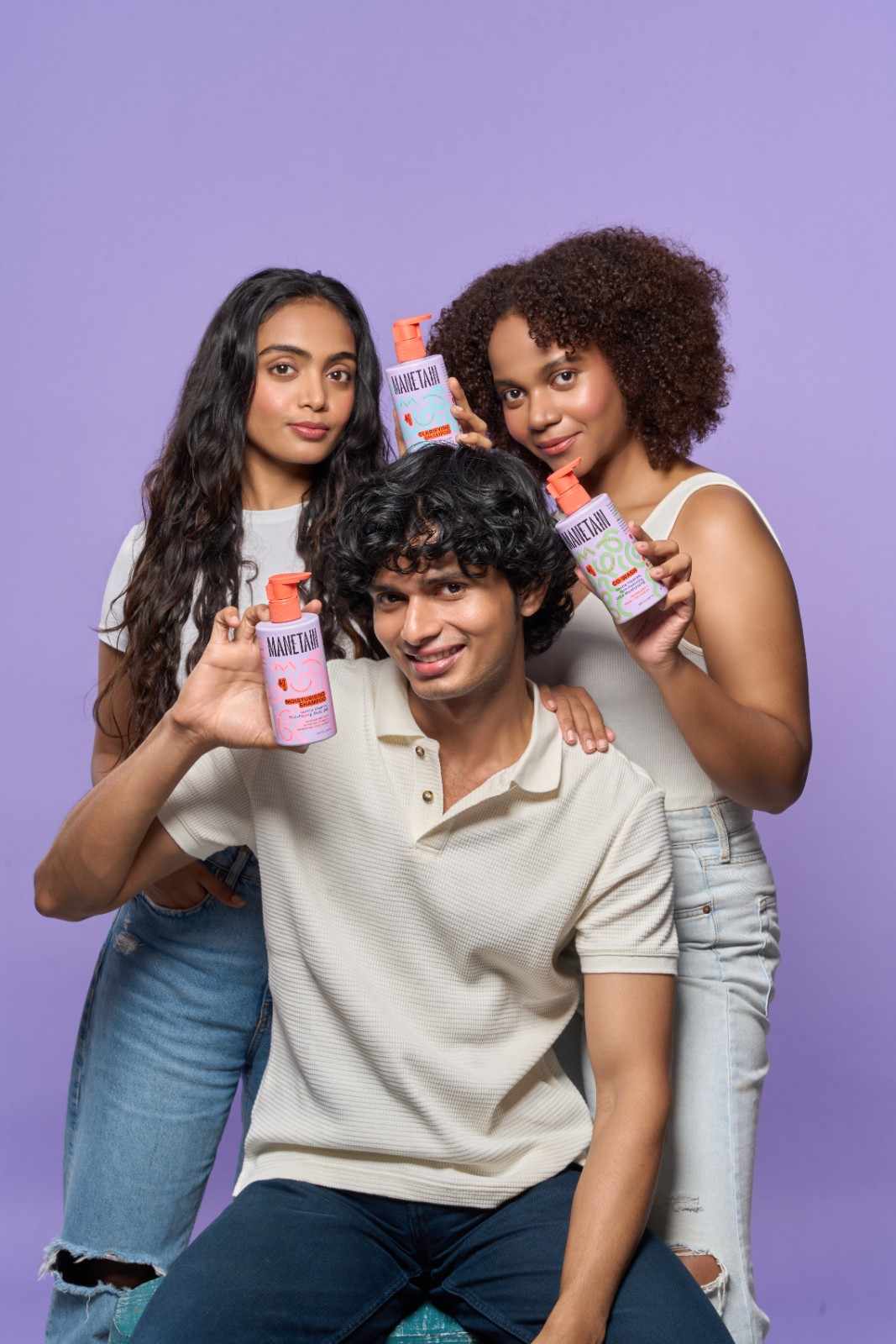
Flaky and dry? You relax. Say goodbye to the harsh sulphates that strip the moisture you have left. The best shampoo for a dry scalp is a gentle one like Manetain’s moisturising shampoo.
Combination scalp? Choose a gentle detoxifying shampoo or a moisturising shapoo, concentrating on the roots, and let your lengths retain their moisture. Treat the two zones differently, as they are distinct.
Sensitive? Make it simple. Keep it gentle, sulphate-free, and not too fragrant, and always patch test something new before it goes anywhere near your whole head. Not sure where to begin? Our cleansers and conditioners are sorted by what your scalp and curls actually need.
A Few Things Curlies Get Wrong
Washing your hair too often and stripping it of its natural oils is something we all do. Never clarifying, so the buildup just quietly piles up. Conditioner applied directly to the scalp. Ignoring flakes and hoping they will go away. Or scraping your nails across your scalp as if it owed you money. Try to ease up on these, and your scalp and curls will thank you.
Frequently Asked Questions
How do you know your scalp type?
The easiest way is a rapid test at home. Use a gentle cleanser to wash, avoid all products, and leave your scalp alone for a day or two. Then press a tissue to your roots and see how it feels. Oil on the tissue means an oily scalp, while 'tightness' and 'flakes' mean a dry scalp. Greasy roots with dry ends point to a combination scalp.
Is it possible to have an oily scalp and dry hair at the same time?
Yes! And if you have curly hair, it happens a lot. Oil doesn't travel well down curls and waves, so it's left to pool at your scalp while your ends remain dry and thirsty. Sounds like an oxymoron, but it just means your roots and lengths need different attention: cleanse the scalp and moisturise the ends.
What's the difference between oily and dry dandruff?
Dry dandruff shows up as small, white, loose flakes from a dry, tight scalp, and it often gets worse in cold weather. Oily dandruff comes from a greasy scalp, with larger yellowish flakes that clump together and stick to the hair. A dry scalp needs moisture, while an oily, flaky scalp usually needs gentle exfoliation.
How often should I wash my curly hair based on my scalp type?
It depends on your scalp type. Oily scalps tend to need cleansing more often, while dry and sensitive scalps do better with less frequent, milder washes and a co-wash in between. Start once or twice a week and adjust up or down depending on how greasy or dry your roots are.
What's the best way to care for a dry, itchy scalp?
Be gentle. Avoid harsh stripping shampoos, don't wash too frequently, and opt for sulphate-free formulas that cleanse without depleting moisture. A hydrating co-wash is helpful, and a light scalp massage can help with itchiness. If the dryness or flaking continues, it's worth checking in with a dermatologist.
Can your scalp type change over time?
It can do. Weather, hormones, stress, age and even the products you use can change how oily or dry your scalp becomes. Your scalp may have been oily in your twenties but become drier later on. Best to check your scalp type every now and then and adjust your routine accordingly.
Popular Searches
Deep Conditioning Treatment |Products For Dry Curly Hair |Curl Cream |Hair Oil For Curly Hair |Products For Damaged Hair |Curl Defining Products |Apple Cider Vinegar Rinse |Wavy Hair Products |Hair Care Kit
Popular Blogs
How To Apply Curl Cream To Hair |Mousse Vs Gel For Curly Hair |Types Of Curls |How To Plop Curly Hair |How To Use Leave-In Conditioner |What Are The Best Hair Products For Curly Hair