
You've just stepped out of the shower; your curls are dripping and glossy, and then you reach for a towel. The first big mistake. One rub later, that glorious curl pattern that you were just admiring in the mirror is turned into a frizzy cloud of regret. If this sounds familiar, you've landed at the right place. There is a fix for this problem, and it is very simple. It is called hair plopping. And once you try it, you will wonder why you ever let a towel near your curls.
What is Hair Plopping?
'Plopping' hair means wrapping your wet curls in a soft fabric like a microfibre towel or an old cotton T-shirt so that your tresses can dry in a scrunched-up, gravity-defying position and not hang loose and get roughed up. There's no heat involved, no harsh towel friction, just your curls settling into their natural shape. This is a very important move in the curly girl method, which is a beloved approach for curl care.
Why Plopping Works for Curly Hair
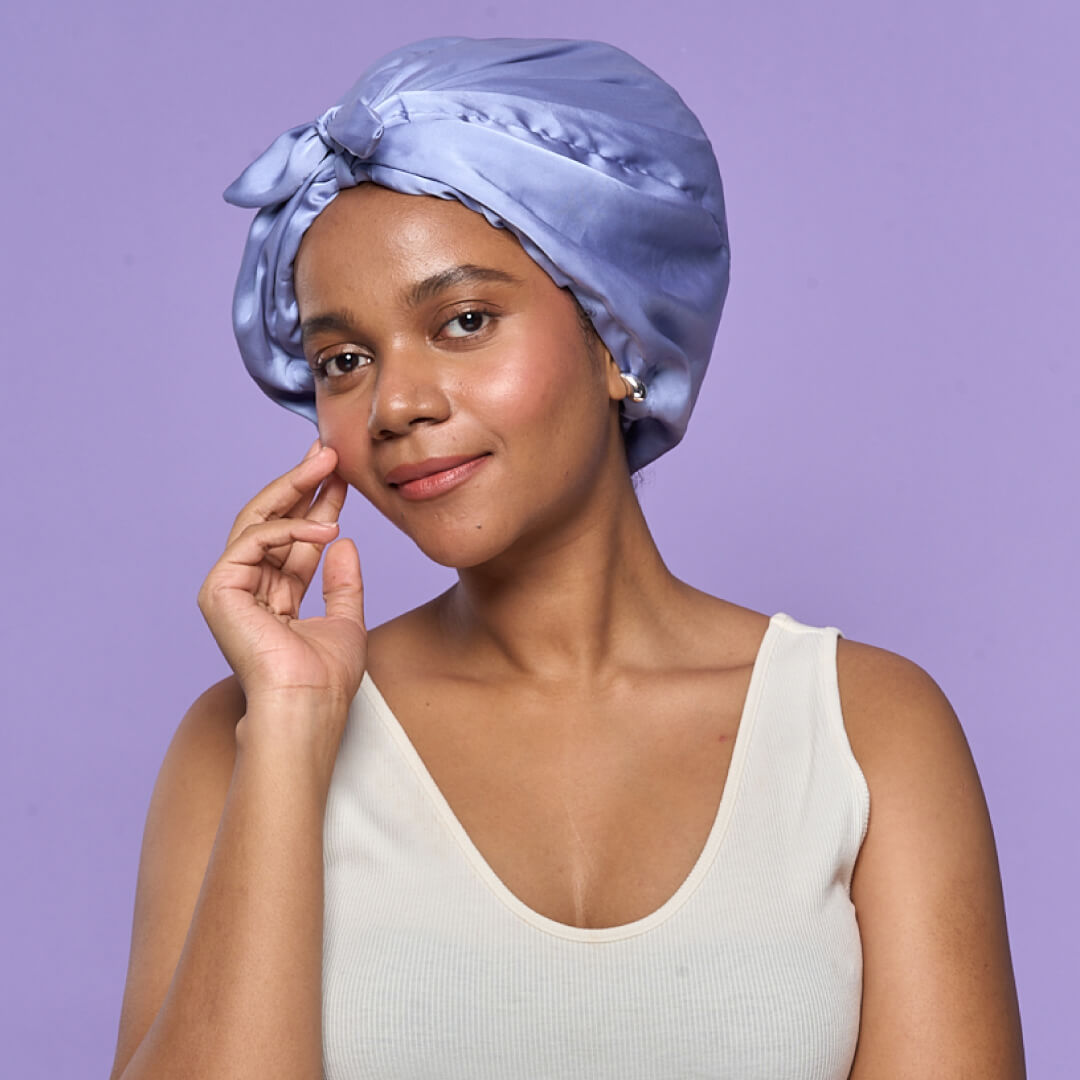
Curls are at their most fragile when wet. The cuticle is raised, the strands are stretched, and any rough handling at this moment can undo all your styling efforts. A regular towel that has a scratchy texture will invite frizz in. Plopping is going to cradle your curly hair in soft, even contact. To that end, a towel bonnet is super easy to use. A turban towel is also an excellent option.
This will let your curls dry into their natural clumps instead of getting separated and roughed up.
When done correctly, plopping curly hair can help with the following:
- Reduce frizz
- Improve curl definition
- Create more root lift
- Speed up drying time
- Minimise heat damage
- Help styling products work better

Towel vs T-Shirt: What Should You Plop With?
One of the biggest questions that beginners often ask is if they should use a towel or an old T-shirt. A dedicated microfibre towel for curly hair can absorb water gently while helping curls keep their shape.
|
Fabric |
Best For |
Why It Works |
|
Cotton T-shirt |
Most curl types |
A smooth surface reduces friction and frizz. Great if you’re just starting. |
|
Microfibre towel |
Faster drying |
Absorbs excess water without roughing up curls. Manetain has an excellent microfibre towel for curly hair that you can add to your routine |
How to Plop Curly Hair: Step-by-Step
Hair plopping is pretty simple once you get the hang of it:
- Wash and rinse your hair
Begin with clean hair. Curls hold their shape better when styled while wet, not dry
- Use Styling products
This answers one of the most asked questions: do you put product in before or after plopping?
Always use your products before plopping.
A simple routine would look like this:
This will give your curls enough moisture and hold as they dry.
- Spread your towel out flat
Put a cotton T-shirt or a microfibre towel on a flat surface. Flip your head upside down so that your curls fall naturally to the centre.
- Wrap and tie
Fold the fabric around the hair and tie it comfortably at the base of the neck. The goal is to lightly lift your curls, not flatten them.
- Let your curls dry.
Now your curls can air-dry without constant touching or friction.
- Unwrap and complete
Unwrap your curls, then let them air dry or use a diffuser on low heat.
Finish with your favourite curl-defining products to add shine and lock in your curls.
Common Plopping Mistakes Beginners Make
Here are some common mistakes you can avoid while plopping curly hair:
- Plopping soaking wet hair: squeeze out excess water first with a gentle press, never a rub, before wrapping it.
- Using a rough bath towel: this defeats the entire purpose and reintroduces the frizz you're trying to avoid.
- Leaving it plopped too long: over-plopping, especially on fine or wavy hair, can actually flatten your pattern instead of enhancing it.
- Skipping product before wrapping: plopping without stylers means there's nothing for your curls to hold onto once they dry.
- Touching or scrunching while still wrapped: let the fabric do its job undisturbed; fiddling too early can disrupt your curl clumps.
Conclusion
Plopping is one of those rare beauty rituals that's very effective. When you pair the technique with the right curl defining products, you will be able to enjoy bouncy and defined curls. If frizz is still your biggest enemy even after plopping, you can browse through Manetain’s dedicated frizz control for curly hair range to enhance your routine.
Frequently Asked Questions
1. How Long Do You Plop Curly Hair?
Most people get the best results by leaving hair plopped for a couple of minutes. If you’re wondering how long to leave hair plopped, try adjusting the timing based on your hair’s thickness and porosity.
2. Can you plop hair overnight?
Overnight plopping can leave the scalp too damp for too long and may flatten curls or increase frizz. Instead, plop for a couple of minutes before air drying or diffusing.
3. Do you add products before or after plopping?
Always apply your styling products before plopping. This will help curls dry with better definition, hold, and moisture.
4. Does plopping work for wavy or fine hair?
One of the biggest myths is that plopping is only for tight curls. So, if you are wondering, 'Does plopping work for wavy hair?' or 'Does plopping work for fine hair?', both are answered with a yes. All you have to do is reduce the plopping time and use lightweight styling products to avoid weighing your hair down.
Popular Searches
Reusable Shower Cap |Deep Conditioning Treatment |Best Products For Dry Curly Hair |Volume Gel For Curly Hair |Hard Hold Gel For Curly Hair |Best Products For Fine Hair |Apple Cider Vinegar Hair Rinse
Popular Blogs
Curl Cream Application 101 |Hair Porosity Test |How To Identify Your Curl Type |Mousse Vs Gel For Curly Hair |How To Use Leave-In Conditioner |Frizz Control Products For Curly Hair |Curl Cream Myths Busted