Article: Is It Necessary to Use a Conditioner After Shampoo?

Key Takeaways
- Your hair is with you for life.
It frames your face. It’s one of the first things people notice. Good hair days make everything better. Investing a few minutes in proper conditioning, especially when using the right hair care products, is the best form of self-care.
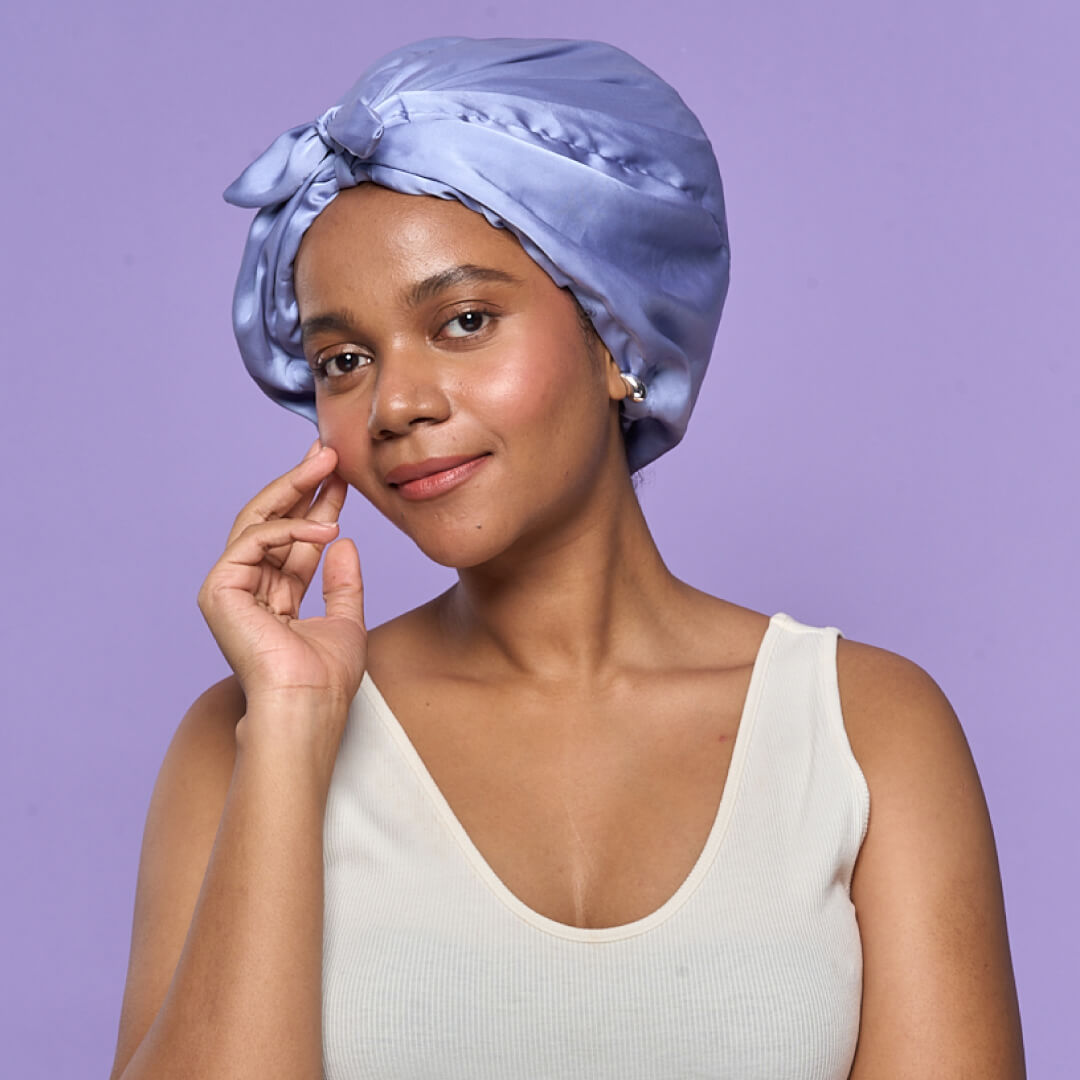
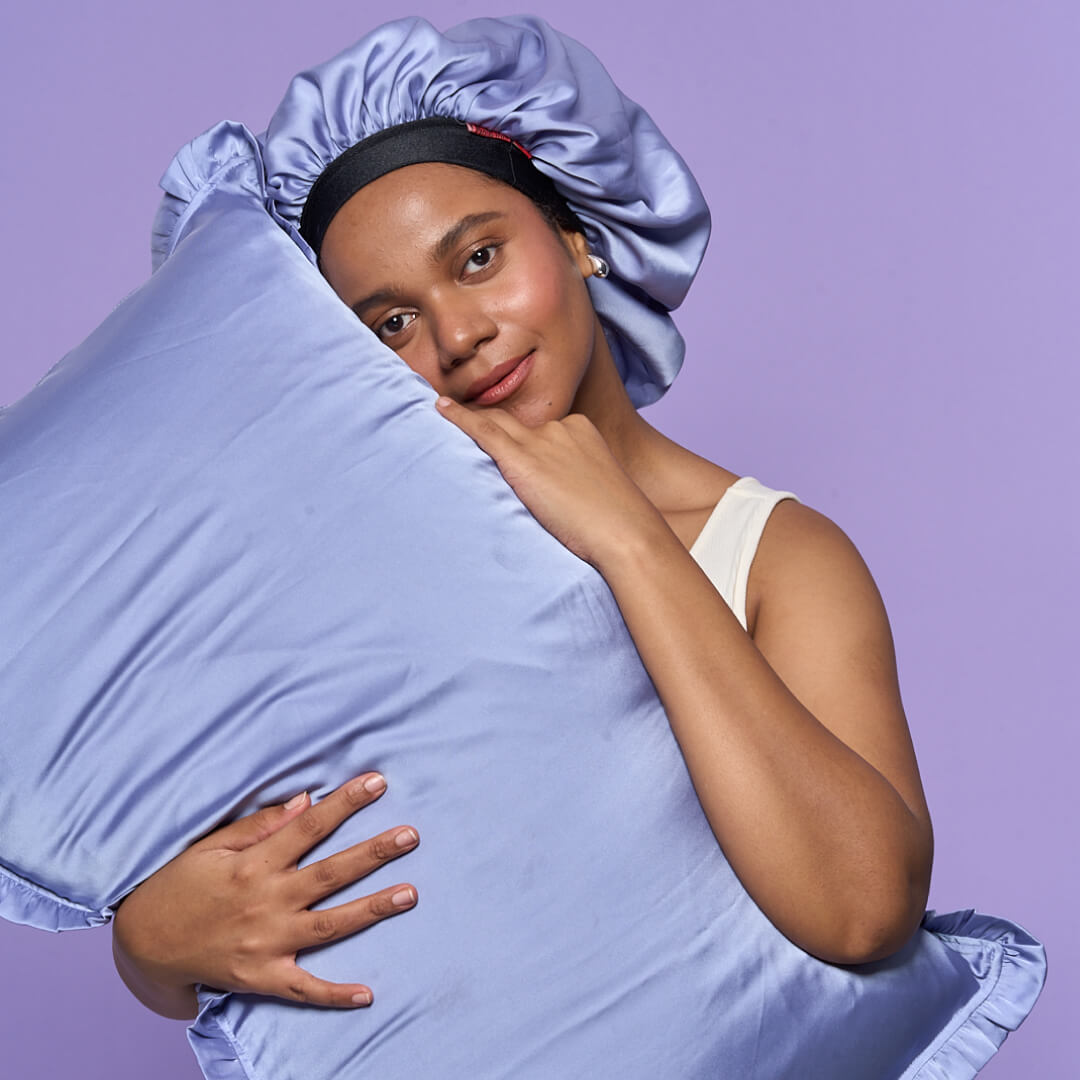
- For keeping straight hair healthy, proper conditioning is your foundation. In fact, you can also use silk pillowcase and scrunchies for hair to minimize damage and enhance the efficacy of your hair care routine.
In This Article
What Shampoo Actually Does to Your Hair
What Conditioner Does To Your Hair
Tips to Use Conditioner Properly
Introduction
If you have ever wondered if it is necessary to use conditioner after shampoo, you basically want to understand how your hair behaves after cleansing, why it feels a certain way, and what exactly do you need to make your hair bounce back with softness, shine, and strength.
When we talk about hair care, it is important to understand that if shampoo cleans, conditioner restores. And, the ultimate difference between dry hair after shampoo and hair that feels nourished, soft, and manageable often comes down to one important step; conditioning.
People tend to underestimate how shampoo interacts with their hair. If you have experienced tangled hair after hair wash, brittle hair issues, breakage during combing, or hair lacking shine, these are the textbook signs that shampoo has removed dirt and buildup from your hair, and has also lifted the hair cuticle, and disturbed the moisture-protein balance of your hair. That is where the conditioner comes in with its balancing force. Before we talk about how to use a conditioner, or should I use conditioner after shampoo, let us try to understand what exactly happens when you shampoo.
What Shampoo Actually Does to Your Hair?
Before we talk about how to use conditioner after shampoo or it is it necessary to use a conditioner after shampoo, you need to understand what shampoo truly does.
Shampoo cleans your scalp and hair.
- It removes dirt and dust
- Rids your scalp of oil
- It also removes sweat from working out or hot days
- Purges product buildup from styling
This cleaning is absolutely necessary because nobody wants greasy, dirty hair.
But there’s a catch;
How Shampoo Affects Hair Structure
-
Shampoo can strip natural oils
Your scalp makes oil to protect your hair. Shampoo can wash it all away.
-
Opens hair cuticles, making hair feel rough or dry
While cleaning your hair, shampoo to lift your hair cuticles. This makes your hair feel rough and look dull.
-
Cleansing can reduce moisture balance.
Shampoo can dry out your hair strands.
This is why you get dry hair after shampoo. If you have curly or wavy hair, this problem gets worse. Natural oils can’t travel down curly hair easily. So when shampoo removes the moisture you had, you are left with hair lacking shine and dealing with brittle hair issues.

What Conditioner Does To Your Hair
After shampoo, your hair is vulnerable. It needs protection. That’s where the conditioner saves the day.
-
It seals your hair cuticle
Conditioners can smoothen your hair cuticles back down. This makes your hair feel soft instantly.
-
It adds moisture
Conditioner contains hydrating ingredients. These replace what shampoo took away.
-
It creates a protective barrier
The conditioning layer shields your hair from damage. It protects against heat, pollution, and friction.
-
It stops tangling
Conditioner makes hair slippery in a good way. Strands can glide past each other instead of knotting up. Therefore, no more tangled hair after washing.
-
It makes hair shiny
When hair cuticles are smooth, light bounces off them evenly. This creates shine and fixes hair looking dull and rough.
Types of Conditioners
Understanding what a conditioner does helps you see why it’s an important part of hair care routine for most people.
Your hair needs conditioner as a protective layer against dryness and heat. Without it, you’re fighting an uphill battle against dryness, damage, and frizz.
Different types of conditioners work in different ways. Let’s look at your options.
-
Rinse-off conditioner
This is your every-wash conditioner. You apply it right after shampooing.
It works fast. Just leave it on for 1-3 minutes. Then rinse it out.
If you are looking for a good moisture sealing hair conditioner, Manetain Multipurpose Conditioner will be a good choice for you.
The formulation contains phytokeratin for protein. It has argan oil for moisture and Wavemax®️ for reducing frizz while enhancing curl pattern. Such an excellent choice for your wavy hair care routine. In fact, this hair conditioner does triple duty. Use it as a rinse-off conditioner, deep conditioner, or curl cream.
Key Benefits:
- Balances protein and moisture
- Strengthens weak hair
- Adds hydration
- Enhances curls and waves
- Reduces frizz
- Makes detangling easy

-
Deep conditioner / hair mask
These are intensive treatments for your hair.
Deep conditioners have more concentrated ingredients and you can leave them on your hair for longer; usually 15-30 minutes.
Use these once a week for best results.
Ultimate Moisture Therapy
This deep conditioning mask is perfect for extremely dry hair. It’s packed with hydrating ingredients like algae oil and avocado butter. Moreover, it also has ceramides and hyaluronic acid to repair damage.
Key Benefits:
- Extreme moisture boost
- Softens rough hair
- Restores damaged strands
- Plumps up hair
- Adds serious shine
- Improves manageability
Pro tip: Use a hair cap while deep conditioning. It traps heat and helps the product work better.

Ultimate Bond Repair Therapy
This bond repair treatment rebuilds broken bonds in damaged hair.
Manetain’s Bond Repair Therapy uses fiberHance™ technology that penetrates deep into your hair shaft to rebuild broken bonds at the molecular level. It has the power of plant-based protein and keratin, ceramides, beetroot extract, and natural sugars to hydrate and soften your hair.
Key Benefits:
- Intense restoration
- Complete nourishment
- Rebuilds hair bonds
- Increases elasticity
- Adds shine
- Smooths rough texture
- Hydrates deeply
Important: Don’t overuse protein treatments. Too much protein makes hair stiff and brittle. Balance is key.

-
Leave-in conditioner
This type stays in your hair. You don’t rinse it out.
Leave-ins are lightweight and they won’t weigh your hair down. But, they provide ongoing protection and moisture all day.
Manetain Leave in Conditioner contains slippery elm, seaweed, and marshmallow root.
This lightweight leave-in conditioner works as a styling primer. It preps your hair for other products.
Key Benefits:
- Moisturizes without heaviness
- Makes detangling easy
- Controls frizz
- Enhances curls
- Adds shine
- Improves manageability
Apply this after you rinse out your regular conditioner. It gives an extra boost of hydration before styling. This is essential for understanding how to use conditioner after shampoo in a complete routine. Pair this with curl enhancing products and hair gel for curly hair for a complete styling routine.

Tips to Use Conditioner Properly
Knowing how to use the conditioner correctly is as important as using it at all.
Many people ruin their hair care routine not because they chose wrong products but because they applied them wrong.
Application Tips
- Apply mid-length to ends, not on the scalp
This is the golden rule. Your scalp makes natural oil. It doesn’t need extra conditioning.
Putting conditioner on your roots makes hair greasy and flat. This is especially true for fine or oily hair.
Start applying from about ear-level down and focus on your ends.
- Use appropriate quantities based on hair thickness
There’s no one-size-fits-all amount. It depends on your hair thickness and length. Start with less than you think you need. Add more if necessary. The conditioner should coat your strands without dripping everywhere.
- Leave for 1–3 minutes or as per instructions.
Regular conditioners need 1-3 minutes. Deep conditioners need 15-30 minutes. Check your product instructions to know the leave-in time.
Frequently Asked Questions
Can shampoo alone keep my hair healthy?
A Shampoo’s job is to clean and not nourish or protect. Some shampoos include light conditioning agents. But, they still can’t provide the same moisture and protection as real conditioners.
Is conditioner good for oily hair?
Oily hair means your scalp produces excess oil. Your lengths and ends still need moisture and protection.
The key is technique:
- Keep conditioner away from roots
- Focus only on mid-lengths to ends
- Choose lightweight formulas
- Rinse thoroughly
An exfoliating scalp scrub weekly can help balance oil production at the scalp.
Is it OK to use a conditioner every day?
The question of can we use conditioner daily comes down to your hair type and application technique.
Daily conditioning is good if you:
- Wash hair every day
- Use heat styling regularly
- Live in a dry climate
Is leave-in conditioner better than regular conditioner?
Rinse-off conditioner provides immediate moisture after shampooing. It’s the foundational step. So, how to use hair conditioner for men and women always starts with this rinse-off step.
Leave-in conditioner provides ongoing protection. They refresh moisture between washes and act as a styling primer.
Leave-ins are lighter because they stay in your hair. They can’t be as rich as rinse-off formulas.
Is conditioner safe for colored or chemically treated hair?
Chemical treatments damage your hair cuticle. They alter your hair’s internal structure.
Without proper conditioning:
- Color fades faster
- Hair becomes brittle
- You experience more breakage
Manetain’s Ultimate bond repair therapy hair mask is excellent for chemically treated hair. It rebuilds broken bonds while conditioning.
Popular Searches
Products For Wavy Hair Care Routine | Clarifying Shampoo | Hair Setting Spray | Shampoo and Conditioner For Curly Hair | Hair Care Kit | Strong Hold Gel For Curly Hair | Apple Cider Vinegar For Hair | Scalp Scrub | Mousse For Curly Hair
Popular Blogs
How To Exfoliate Scalp | How To Apply Curl Cream To Hair | Mousse Vs Gel For Curly Hair | How To Use Leave-In Conditioner | What Are The Best Hair Products For Curly Hair | Curly Hair Quotes | Types Of Curls | Easy Hairstyles For Naturally Curly Hair